
















The digital world constantly introduces new concepts, frameworks, and technologies that reshape how people think, work, and innovate. Among the emerging terms gaining attention, trigrespinx has started to generate curiosity across different industries and communities. While many people encounter the term for the first time and wonder what it means, others are interested in understanding how it may influence future developments in technology, business, and problem-solving.
The growing interest in trigrespinx is not surprising. Modern innovation often depends on systems that combine intelligence, adaptability, and strategic thinking. Concepts that bring these elements together naturally attract attention from researchers, entrepreneurs, and professionals seeking better ways to manage complexity. As a result, understanding this topic can provide valuable insight into how modern frameworks evolve and create opportunities.
This guide explores the origins, principles, benefits, applications, challenges, and future outlook associated with trigrespinx. Whether you are a beginner looking for a clear explanation or an experienced professional seeking deeper knowledge, this article provides a practical and easy-to-understand overview.
What Is Trigrespinx?
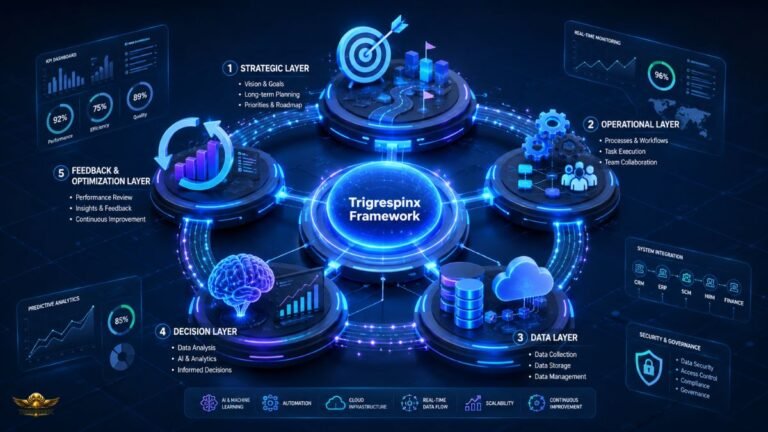
At its core, trigrespinx can be described as a conceptual framework that combines strategic analysis, adaptive processes, and interconnected decision-making. Rather than functioning as a single technology or tool, it represents a broader approach designed to improve efficiency, innovation, and long-term outcomes.
The concept emphasizes the importance of balancing multiple variables simultaneously. In traditional systems, organizations often focus on isolated objectives. However, trigrespinx encourages a more integrated perspective where different components work together to create sustainable results. This interconnected approach makes it particularly relevant in rapidly changing environments where flexibility is essential.
Many experts view the framework as a bridge between analytical thinking and practical execution. By connecting planning, adaptation, and performance measurement, organizations can respond more effectively to challenges while maintaining strategic direction.
The increasing popularity of the concept reflects a broader shift toward systems thinking. Instead of solving individual problems separately, professionals are seeking methods that account for relationships between processes, people, and outcomes.
The Origin and Evolution of Trigrespinx
Like many emerging concepts, the exact origins of trigrespinx are often debated. Some interpretations suggest it evolved from interdisciplinary thinking that combines elements of strategic management, digital transformation, and systems engineering. Others view it as a modern response to increasingly complex business and technological environments.
As organizations became more interconnected through digital platforms and global networks, traditional management methods began facing limitations. Leaders needed frameworks capable of handling uncertainty while supporting innovation. This need created the conditions for concepts similar to trigrespinx to emerge and gain relevance.
Over time, the framework has evolved beyond theoretical discussions. Businesses, researchers, and consultants have adapted its principles to various contexts, including project management, technology development, customer experience optimization, and organizational growth.
Its evolution demonstrates how modern concepts rarely remain static. Instead, they continuously adapt to new challenges, technologies, and market expectations. This flexibility is one reason why interest in the subject continues to grow.
Core Principles Behind Trigrespinx
Understanding the foundational principles helps explain why trigrespinx is becoming increasingly influential. These principles provide a structure that can be adapted across industries and use cases.
One key principle is interconnected thinking. Every action within a system affects other components. Recognizing these relationships helps decision-makers anticipate consequences and identify opportunities more effectively.
Another principle involves adaptability. Modern environments change rapidly, making rigid structures less effective. Flexible systems are better equipped to respond to shifting conditions and unexpected challenges.
Continuous improvement is also central to the framework. Instead of treating success as a final destination, the approach encourages ongoing evaluation and refinement. This mindset supports innovation and long-term growth.
Collaboration represents another important element. Effective solutions often emerge when diverse perspectives contribute to problem-solving. By encouraging communication and knowledge sharing, organizations can unlock greater value from their resources.
“The strength of any modern framework lies not in control alone, but in its ability to adapt, learn, and improve continuously.”
Why Trigrespinx Is Gaining Attention
The growing popularity of trigrespinx reflects broader trends in business and technology. Organizations increasingly face challenges that require agility, innovation, and strategic alignment. Traditional methods sometimes struggle to address these demands effectively.
One reason for its appeal is the framework’s versatility. It can be applied to startups, large corporations, educational institutions, and even public sector organizations. This flexibility allows different stakeholders to adapt its principles according to their unique needs.
Another factor is the increasing complexity of modern operations. Global markets, digital ecosystems, and evolving customer expectations require more sophisticated approaches to decision-making. The framework provides a structured yet adaptable way to navigate these complexities.
Furthermore, organizations are under constant pressure to improve efficiency while maintaining quality. Approaches that promote smarter resource allocation and better coordination naturally attract attention from leaders seeking competitive advantages.
Key Components of a Trigrespinx Framework
To better understand how the concept functions, it is helpful to examine its primary components.
| Component | Purpose | Impact |
|---|---|---|
| Strategic Analysis | Evaluates opportunities and risks | Better decision-making |
| Adaptive Planning | Responds to changing conditions | Greater flexibility |
| Data Integration | Connects information sources | Improved insights |
| Performance Monitoring | Tracks progress and outcomes | Continuous improvement |
| Collaboration Systems | Encourages teamwork | Enhanced innovation |
| Feedback Mechanisms | Supports learning and refinement | Sustainable growth |
These components work together rather than independently. Their collective effectiveness creates a more resilient and responsive system capable of handling complex challenges.
When implemented properly, each element reinforces the others, creating a cycle of learning, adaptation, and improvement that supports long-term success.
Benefits of Implementing Trigrespinx
Organizations exploring trigrespinx often do so because of the substantial benefits associated with its principles. These advantages extend beyond operational efficiency and can influence broader organizational outcomes.
One major benefit is improved decision-making. By considering multiple factors simultaneously, leaders gain a more comprehensive understanding of situations before taking action. This reduces the likelihood of costly mistakes and increases confidence in strategic choices.
Enhanced adaptability represents another significant advantage. Markets, technologies, and consumer preferences evolve constantly. Systems that embrace flexibility can respond more effectively to these changes without disrupting overall objectives.
The framework also supports innovation by encouraging experimentation and continuous learning. Teams become more willing to explore new ideas because they operate within structures designed to evaluate and refine solutions over time.
In addition, improved collaboration often leads to stronger organizational culture. When communication flows more effectively across departments, employees are better equipped to share knowledge and solve problems collectively.
Applications Across Different Industries
One of the most appealing aspects of trigrespinx is its broad applicability. Different industries can adapt its principles to address unique challenges and opportunities.
In technology, organizations use similar frameworks to manage software development, cybersecurity initiatives, and digital transformation projects. The emphasis on adaptability aligns well with rapidly evolving technological landscapes.
Healthcare providers can apply the principles to improve patient care, resource allocation, and operational efficiency. Better coordination among teams often leads to improved outcomes and reduced costs.
Educational institutions may leverage these concepts to enhance learning experiences, streamline administration, and support innovation in teaching methodologies. The framework’s collaborative nature aligns well with modern educational goals.
Manufacturing companies can benefit through improved supply chain management, quality control, and process optimization. By integrating data and feedback mechanisms, organizations gain greater visibility into operations and performance.
Financial institutions may use the approach to strengthen risk management, customer engagement, and strategic planning efforts. The ability to adapt quickly becomes especially valuable in dynamic economic environments.
Trigrespinx and Digital Transformation
Digital transformation has become a priority for organizations worldwide. As businesses seek to modernize operations and remain competitive, frameworks like trigrespinx provide valuable guidance.
Successful digital transformation involves more than implementing new technologies. It requires aligning people, processes, and objectives around a shared vision. This alignment reflects many of the core principles associated with the framework.
Organizations frequently encounter challenges during transformation initiatives, including resistance to change, resource constraints, and integration issues. Adaptive approaches help address these obstacles by encouraging continuous evaluation and adjustment.
Data plays a particularly important role in this context. Modern organizations generate vast amounts of information, but extracting meaningful insights remains challenging. Integrated systems improve visibility and support better decision-making throughout transformation efforts.
As digital technologies continue advancing, frameworks that combine strategy, adaptability, and collaboration are likely to become even more valuable.
Common Challenges and Limitations
Although trigrespinx offers many advantages, implementation is not without challenges. Understanding potential obstacles helps organizations prepare more effectively.
One common challenge involves organizational resistance. Employees and leaders accustomed to traditional methods may hesitate to adopt new approaches. Successful implementation often requires clear communication and ongoing education.
Complexity can also create difficulties. While interconnected systems provide valuable insights, they may initially appear overwhelming. Organizations must balance comprehensive analysis with practical execution.
Resource allocation presents another consideration. Developing adaptive systems often requires investments in technology, training, and process improvement. Without adequate support, implementation efforts may struggle to achieve desired results.
Measurement can also be challenging. Traditional performance metrics may not fully capture the value created through integrated frameworks. Organizations may need to develop new evaluation methods that reflect broader objectives.
Despite these challenges, many organizations find that the long-term benefits justify the effort required for implementation.
Best Practices for Success
Organizations seeking to maximize the value of trigrespinx should consider several best practices.
Clear objectives provide a strong foundation. Teams need a shared understanding of goals before implementing new processes or systems. Well-defined objectives help maintain focus and guide decision-making.
Leadership commitment is equally important. Change initiatives often succeed when leaders actively support and participate in the process. Their involvement reinforces organizational priorities and encourages broader engagement.
Continuous learning should also be emphasized. Successful organizations view implementation as an ongoing journey rather than a one-time project. Regular feedback and evaluation help identify opportunities for improvement.
Technology can play a supportive role, but it should not become the sole focus. Effective implementation requires balancing digital tools with human expertise, collaboration, and strategic thinking.
Finally, organizations should celebrate progress and recognize achievements. Positive reinforcement encourages participation and helps sustain momentum over time.
The Future of Trigrespinx
The future of trigrespinx appears promising as organizations continue searching for better ways to navigate complexity and uncertainty. Emerging technologies such as artificial intelligence, machine learning, and advanced analytics are creating new opportunities for adaptive frameworks.
As these technologies become more sophisticated, organizations will have access to richer data and more powerful decision-support tools. This evolution aligns closely with the framework’s emphasis on integration and continuous improvement.
Workplace dynamics are also changing. Remote collaboration, hybrid work models, and global teams require approaches that support flexibility and coordination. Frameworks capable of connecting diverse stakeholders will become increasingly valuable.
Sustainability is another area where future applications may expand. Organizations are under growing pressure to balance economic performance with environmental and social responsibilities. Integrated decision-making frameworks can help address these competing priorities more effectively.
The continued evolution of business and technology suggests that adaptable, interconnected approaches will remain relevant for years to come.
How Businesses Can Prepare for the Next Wave of Innovation
Preparation begins with mindset. Organizations that embrace learning, experimentation, and adaptability are generally better positioned to capitalize on emerging opportunities.
Building strong data capabilities is another important step. Accurate and accessible information enables more informed decisions and supports continuous improvement efforts. Companies should invest in systems that promote visibility and collaboration across departments.
Developing talent also plays a critical role. Employees need skills that extend beyond technical expertise to include communication, critical thinking, and problem-solving. These capabilities support effective participation in adaptive frameworks.
Organizations should also encourage cross-functional collaboration. Diverse perspectives often generate more creative solutions and help identify risks that might otherwise go unnoticed.
By taking these steps, businesses can create environments where innovation thrives and long-term success becomes more achievable.
Conclusion
Trigrespinx represents more than a trending term; it reflects a broader shift toward adaptive, interconnected, and continuously improving systems. In a world characterized by rapid change and increasing complexity, organizations need frameworks that balance strategic planning with flexibility and innovation.
From technology and healthcare to education and finance, the principles associated with this concept offer valuable guidance for addressing modern challenges. By emphasizing collaboration, data integration, adaptability, and continuous learning, organizations can improve decision-making and create sustainable competitive advantages.
While implementation requires commitment and careful planning, the potential rewards are significant. As digital transformation accelerates and new technologies emerge, frameworks built on these principles are likely to play an increasingly important role in shaping future success. Understanding and applying the ideas behind trigrespinx today may provide a strong foundation for tomorrow’s opportunities.
Frequently Asked Questions
What is trigrespinx and why is it important?
Trigrespinx is generally understood as an adaptive framework that combines strategic thinking, interconnected systems, and continuous improvement. It is important because it helps organizations respond effectively to change, improve decision-making, and enhance long-term performance in complex environments.
How can businesses benefit from trigrespinx?
Businesses can use trigrespinx to improve collaboration, optimize processes, increase flexibility, and make better strategic decisions. The framework supports innovation while helping organizations maintain alignment with their long-term goals and objectives.
Is trigrespinx only relevant to technology companies?
No. Although technology organizations often benefit from its principles, trigrespinx can be applied across many industries, including healthcare, education, manufacturing, finance, and public administration. Its adaptability makes it useful in a wide range of contexts.
What challenges can arise when implementing trigrespinx?
Common challenges include resistance to change, resource limitations, implementation complexity, and difficulties measuring outcomes. Organizations can address these issues through strong leadership, clear communication, employee training, and continuous evaluation.
What role does data play in trigrespinx?
Data serves as a critical foundation for trigrespinx because it provides insights that support informed decision-making. Integrated data systems help organizations identify trends, measure performance, and adapt strategies based on real-world results.
What does the future hold for trigrespinx?
The future of trigrespinx is closely connected to advancements in artificial intelligence, analytics, automation, and digital transformation. As organizations face increasingly complex challenges, adaptive frameworks that support flexibility and collaboration are expected to become even more valuable.