










Setting up Trigrespinx for the first time can feel unclear if you have never worked with it before. This guide walks you through every stage in plain language so you can move from zero knowledge to a working system without confusion. The focus stays on practical steps that help both new users and search engines understand the full process clearly.
What Is Trigrespinx Implementation?
Trigrespinx implementation means taking the core system and placing it into your existing environment so it runs smoothly with your current tools and data. It covers installing the base software, connecting the needed modules, adjusting settings to match your goals, and testing that everything works together. Think of it as building a reliable bridge between your daily operations and the advanced features Trigrespinx offers. When done right, the system starts delivering faster results and cleaner workflows from the first day it goes live.
Why Trigrespinx Implementation Matters
A careful Trigrespinx implementation saves time and reduces costly mistakes later. Teams that rush the setup often face broken connections, slow performance, or missing data links that take weeks to fix. Proper implementation brings steady gains in speed, accuracy, and control. It also creates a strong foundation for future growth so the system can handle more users or larger data loads without major redesigns. In short, investing effort at the start protects your resources and keeps daily work simple and predictable.
Prerequisites Before Implementing Trigrespinx
Before you begin, confirm a few basic items are ready. You need a stable internet connection, enough storage space on your server or cloud account, and access rights to install new software. Basic knowledge of how your current systems talk to each other helps a lot. Gather login details for any linked services and make a quick backup of important files. Having these pieces in place removes most early roadblocks and lets the actual setup move forward without sudden stops.
Step-by-Step Trigrespinx Implementation Process
Download the latest official package from a trusted source. Run the installer and choose the standard option for most beginners. Once the base files sit in place, open the configuration panel and enter your workspace details. Next, link your main data sources one by one and test each connection right after you add it. After the links work, turn on the core processing engine and run a small sample job to confirm results look correct. Finally, set user access levels and save a complete system snapshot so you can return to this clean state if needed later. Each stage builds on the last, so finish one fully before moving to the next.
Core Components of a Successful Trigrespinx Implementation
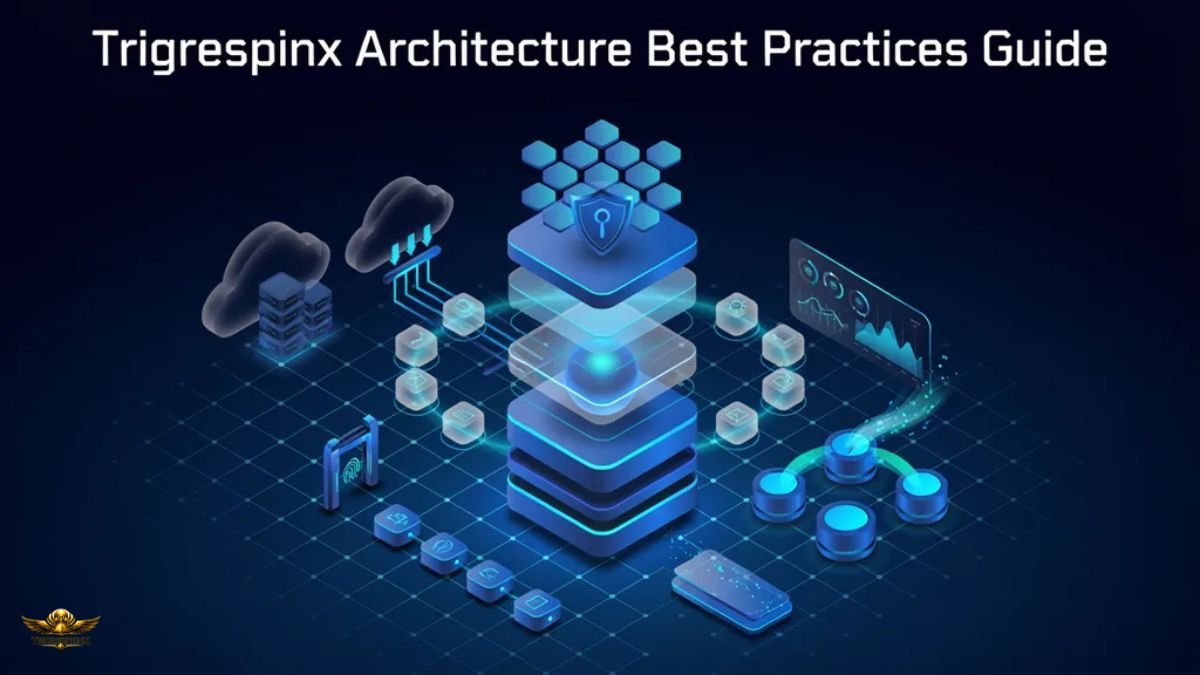
Four main pieces decide whether the whole system stays strong. The data connector moves information in and out without loss. The processing core handles the actual calculations and transformations. The control layer lets you adjust rules and watch progress in real time. The security module safeguards every stage from unauthorized access.. When these four parts work as one unit, Trigrespinx delivers consistent results even under heavy daily use.
Tools and Technologies Required for Trigrespinx Implementation
You will need a modern web browser for the setup screens, a reliable server or cloud space with enough memory, and basic command tools if you prefer manual checks. Compatible data formats such as standard tables or structured files make linking easier. Monitoring software helps you watch performance after the system starts. Most of these items already exist in common business environments, so extra purchases stay low for the average beginner.
Common Trigrespinx Implementation Challenges and Solutions
Many users face the same few hurdles. Slow data links often come from wrong format choices and clear when you match the expected structure. Login errors usually trace back to expired keys that a simple refresh solves. Performance dips after launch improve once you adjust memory settings based on real usage. Connection drops between modules stop after you confirm every address and port matches the guide. Facing these issues early and fixing them with the steps above keeps the project on track.
Best Practices for Implementing Trigrespinx Successfully
Work in short focused sessions rather than one long stretch so fatigue does not lead to missed details. Document every change you make in a simple note file. Test each new link with a tiny data set before trusting large volumes. Keep one clean backup at every major stage. Involve a second pair of eyes for the final review. These habits turn a complex project into a steady series of small wins and reduce the chance of hidden problems appearing weeks later.
How to Optimize and Maintain Your Trigrespinx Implementation
After the system runs, check performance numbers once a week and clear unused temporary files. Update the core package when new versions appear, but always test the update on a copy first. Review user access every month to remove accounts that no longer need entry. Watch for unusual slowdowns and adjust memory or connection limits as your data grows. Regular light maintenance keeps the system fast and reliable for years without major rebuilds.
Future of Trigrespinx Implementation
The next stages of Trigrespinx will focus on even simpler setup screens and stronger automatic checks that catch issues before they affect daily work. Cloud versions will expand so teams can start with almost no local hardware. Smarter built-in guides will walk beginners through each choice with clearer explanations. As these improvements arrive, the overall process will become shorter and safer, letting more people gain the benefits without deep technical backgrounds.
This complete path from first download to long-term care gives beginners a clear map. Follow the stages in order, keep notes, and test often. The result is a stable Trigrespinx system that supports your goals today and stays ready for tomorrow’s needs.
FAQs
What is Trigrespinx implementation?
It means setting up the system in your environment so it works smoothly with your tools and data.
Why is proper Trigrespinx implementation important?
It prevents errors, saves time, and creates a strong base for better speed and future growth.
What do I need before starting Trigrespinx setup?
You need stable internet, enough storage, access rights, and a backup of important files.
What are the main parts of a good Trigrespinx system?
The data connector, processing core, control layer, and security module.
How can I keep Trigrespinx running well after setup?
Check performance weekly, update carefully, review access, and clear unused files regularly.