










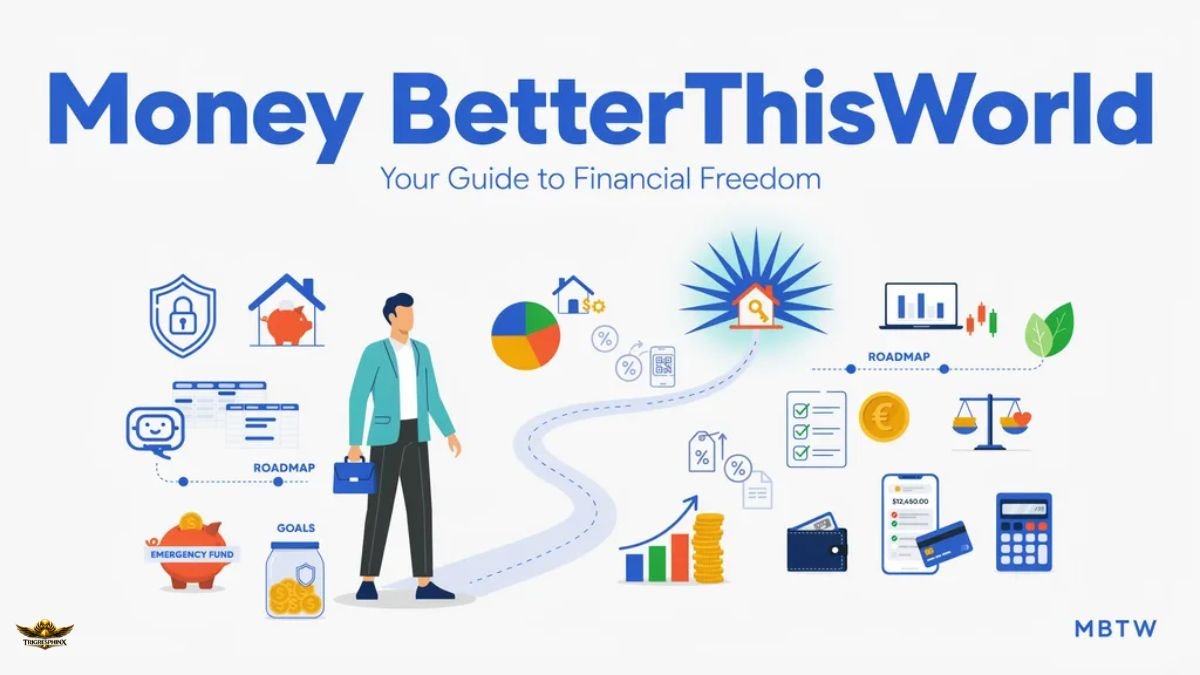
What Is Money BetterThisWorld?
Money BetterThisWorld is more than personal finance advice—it’s a practical system for turning money into freedom, clarity, and a better life. Built on the idea that money should serve you, not stress you, it combines financial literacy, smart budgeting, wealth-building strategies, and mindset coaching into one clear roadmap anyone can follow.
Why Money BetterThisWorld Matters Today
Rising inflation, unstable job markets, and constant digital spending temptations make financial planning more important than ever. Without a clear system for money management, even high earners struggle with debt and low savings. Money BetterThisWorld matters because it gives people a repeatable framework — not vague advice — for turning income into lasting wealth accumulation and long-term security.
Understanding the Core Principles
Financial Awareness
You cannot manage what you don’t measure. Financial awareness means knowing exactly where your money comes from and where it goes — income, expenses, debts, and assets — every single month.
Financial Responsibility
Smart financial decisions and disciplined spending build lasting wealth.
Purpose-Driven Money Management
Every rupee or dollar should serve a purpose — spending, saving, investing, or giving. Purpose-driven budgeting removes guilt and replaces it with intention.
Long-Term Wealth Building
True financial freedom isn’t about one big win; it’s the compounding result of consistent long-term wealth building habits practiced over years, not weeks.
Developing the Right Money Mindset
The Psychology of Money
Behavior, not math, drives most financial outcomes. The psychology of money explains why people with modest incomes sometimes build more wealth than high earners — through consistency and emotional discipline.
Common Money Beliefs That Hold People Back
Limiting money beliefs silently destroy financial progress.Identifying these limiting money beliefs is the first step toward change.
Building Healthy Financial Habits
Small, repeatable actions — tracking expenses weekly, reviewing goals monthly — create the healthy financial habits that compound into major results.
Assessing Your Financial Situation
Calculate Your Net Worth
Net worth = assets – liabilities — your clearest measure of financial health.
| Category | Examples | Value |
| Assets | Cash, savings, investments, property | + |
| Liabilities | Loans, credit card debt, mortgages | − |
| Net Worth | Assets − Liabilities | = |
Track Your Cash Flow
Cash flow tracking shows whether money is flowing in faster than it’s flowing out — the foundation of every budget.
Identify Spending Patterns
Reviewing three months of transactions reveals spending patterns and hidden leaks, such as subscriptions or impulse purchases, that quietly drain income.
Setting Financial Goals
Short-Term Financial Goals
Goals achievable within a year — like building a small emergency fund or paying off a credit card — fall under short-term financial goals.
Medium-Term Financial Goals
Spanning one to five years, medium-term goals include saving for a car, a wedding, or a home down payment.
Long-Term Financial Goals
Retirement, financial independence, and children’s education are classic long-term financial goals requiring sustained investing.
Creating a Financial Roadmap
A financial roadmap connects all three goal types into a single timeline with clear milestones and review checkpoints.
Creating a Budget That Works
Zero-Based Budgeting
In zero-based budgeting, every dollar of income is assigned a job — spending, saving, or investing — until the balance reaches zero.
50/30/20 Budget Rule
The 50/30/20 rule balances spending and saving.
Budgeting Mistakes to Avoid
Common budgeting mistakes include underestimating irregular expenses, being too restrictive, and failing to adjust the budget as life changes.
Smart Saving Strategies
Build an Emergency Fund
A 3–6 month emergency fund is your strongest financial safety net.
Save for Major Life Goals
Separate savings accounts for specific goals — travel, education, a home — make goal-based saving far more effective than one generic account.
Automate Your Savings
Automated savings transfers remove willpower from the equation, ensuring consistency even during busy or stressful months.
Smart Spending Habits
Needs vs. Wants
Distinguishing needs versus wants is the core skill behind every successful budget and spending plan.
Avoid Impulse Buying
Simple rules — like a 24-hour waiting period — dramatically reduce impulse buying and emotional spending.
Prevent Lifestyle Inflation
As income rises, so does spending — unless you consciously guard against lifestyle inflation and keep a portion of every raise for savings.
Managing Debt Effectively
Good Debt vs. Bad Debt
Good debt (mortgages, education loans) builds future value; bad debt (high-interest credit cards) drains wealth with little return.
Debt Repayment Strategies
The debt snowball (smallest balance first) and debt avalanche (highest interest first) are the two leading debt repayment strategies.
Improving Your Credit Health
Paying on time, keeping credit utilization low, and monitoring your credit report all strengthen credit health over time.
Growing Your Wealth Through Investing
Why Investing Matters
Saving alone can’t outpace inflation.Investing grows wealth through the power of compounding.
Beginner-Friendly Investment Options
Index funds, mutual funds, ETFs, and retirement accounts are popular beginner investment options offering diversification with low effort.
Diversifying Your Portfolio
Portfolio diversification across asset classes, sectors, and geographies reduces risk without sacrificing long-term returns.
Common Investment Mistakes
Chasing trends, timing the market, and ignoring fees are frequent investment mistakes that quietly erode returns.
Building Multiple Income Streams
Increase Your Primary Income
Negotiating raises, upskilling, or switching roles are direct ways to grow your primary income.
Side Hustles
Freelancing, tutoring, or e-commerce are flexible side hustle ideas that add income without full-time commitment.
Passive Income Opportunities
Dividend stocks, rental property, and digital products generate passive income — money earned with minimal ongoing effort.
Financial Planning for Every Stage of Life
Retirement Planning
Starting retirement planning early leverages compound growth, making even small contributions in your 20s more powerful than large ones in your 40s.
Insurance and Financial Protection
Health, life, and property insurance form the financial protection layer that shields your wealth-building progress from setbacks.
Estate Planning Basics
Wills, beneficiaries, and power of attorney are core estate planning tools ensuring your assets are protected and transferred as intended.
Technology and Modern Money Management
Digital Banking
Digital banking makes managing money fast and easy.
AI-Powered Finance Tools
AI-powered finance tools now offer personalized budgeting, spending alerts, and investment recommendations at scale.
Cryptocurrency Basics
Cryptocurrency remains a high-volatility, speculative asset class; understanding the basics helps investors approach it cautiously and knowledgeably.
Protecting Yourself From Financial Scams
Scam prevention is an essential money-management skill.
Financial Wellness and Lifestyle
Money and Mental Health
Financial wellness matters as much as physical health.
Money in Relationships
Open communication about money in relationships — shared goals, transparency, and joint budgeting — prevents one of the top causes of conflict.
Financial Literacy for Children
Teaching kids about saving, earning, and delayed gratification builds financial literacy for children that lasts a lifetime.
Sustainable Wealth Building
Ethical Investing
Ethical investing aligns portfolios with personal values, avoiding industries that conflict with an investor’s principles.
Sustainable Finance
Sustainable finance, including ESG (Environmental, Social, Governance) investing, is reshaping how modern portfolios are built.
Building Generational Wealth
Passing on both assets and financial knowledge is the true definition of generational wealth.
Economic Factors That Affect Your Money
| Factor | Effect on Personal Finance |
| Inflation | Reduces purchasing power over time |
| Interest Rates | Affects loan costs and savings returns |
| Taxes | Reduces net income and investment gains |
| Market Volatility | Impacts investment portfolio value short-term |
Understanding inflation, interest rates, taxes, and market volatility helps you make informed decisions rather than reactive ones.
Future Trends in Personal Finance
AI and Automation
AI and automation are transforming budgeting, fraud detection, and personalized financial advice.
Cashless Payments
Cashless payments and digital wallets continue replacing physical cash in everyday transactions worldwide.
Digital Assets
Digital assets, from tokenized investments to NFTs, are creating new categories within personal portfolios.
The Future of Investing
Fractional shares, robo-advisors, and AI-driven insights are making the future of investing more accessible than ever.
30-Day Money BetterThisWorld Action Plan
1: Build Financial Awareness
Track every expense, calculate your net worth, and identify spending patterns.
2: Create a Smart Budget
Next, choose the right budgeting method to reduce unnecessary spending and grow your savings.
3: Save and Invest
Then, build an emergency fund and start investing for long-term wealth.
4: Review and Optimize
Finally, evaluate your financial progress, optimize your budget, and set new financial goals.
Common Money Mistakes to Avoid
Living without a budget, relying on credit for daily expenses, delaying investing, ignoring an emergency fund, and letting lifestyle inflation erode raises are the most common financial mistakes that keep people stuck.
FAQs
What is Money BetterThisWorld?
It’s a complete framework for personal finance management combining budgeting, saving, investing, and mindset-building into one actionable system.
How can beginners start managing money effectively?
Start by tracking income and expenses, building a small emergency fund, and creating a simple budget like the 50/30/20 rule.
What’s the best budget for beginners?
The 50/30/20 rule is the easiest starting point because it’s flexible and doesn’t require detailed category tracking.
How much should I save every month?
Aim for at least 20% of income, adjusting based on your short-term and long-term financial goals.
Is investing necessary for building long-term wealth?
Yes — saving alone rarely outpaces inflation, making investing essential for real, long-term wealth building.
Conclusion
Money BetterThisWorld isn’t a quick trick — it’s a complete system connecting financial awareness, budgeting, saving, investing, and mindset into one sustainable path toward financial freedom. By following the principles and the 30-day action plan outlined above, anyone can move from financial stress toward lasting financial wellness and generational wealth.



One thought on “Money BetterThisWorld: Your Guide to Financial Freedom”