










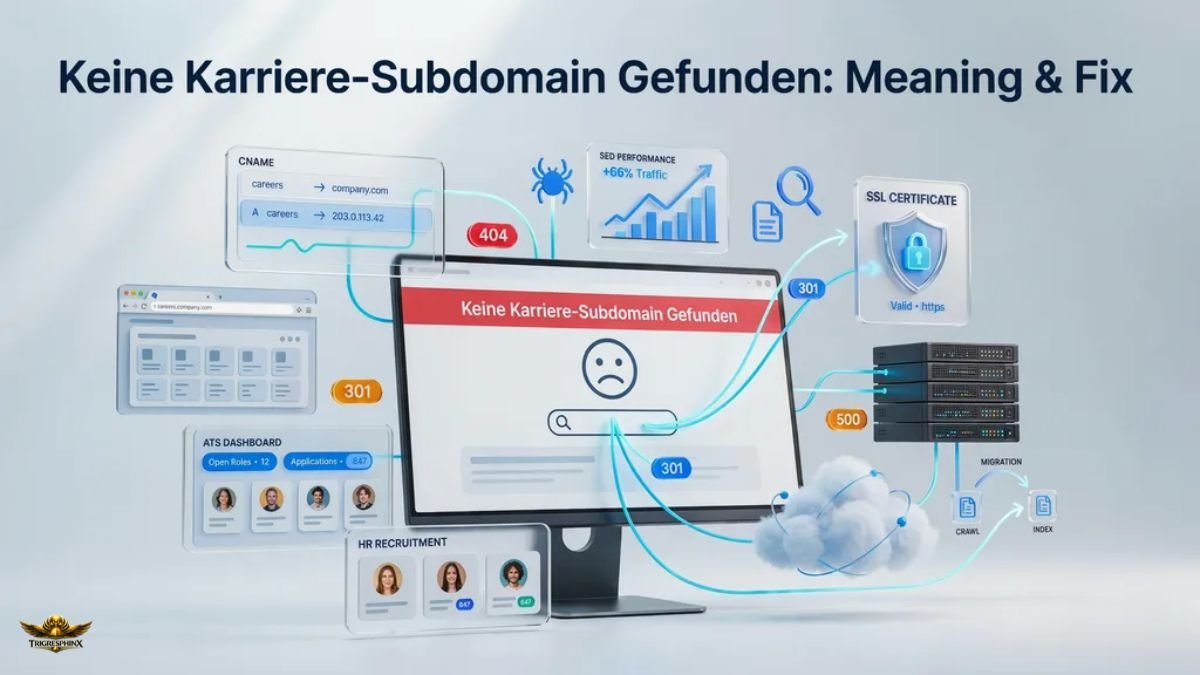
The “Keine Karriere-Subdomain Gefunden” error appears when a company’s career subdomain—such as careers.company.com, jobs.company.com, or karriere.company.com—stops working or becomes unavailable. The German phrase translates to “No career subdomain found” and usually points to a missing DNS record, incorrect hosting configuration, SSL certificate issue, broken redirect, or Applicant Tracking System (ATS) integration problem.
Technical issues trigger this error in most cases. Common causes include missing DNS records, incorrect hosting configuration, SSL certificate problems, website migration errors, broken redirects, CDN or reverse proxy misconfiguration, and failed Applicant Tracking System (ATS) integrations.These problems can prevent job seekers from accessing vacancies and disrupt a company’s recruitment process.
Whether you’re a job seeker, HR professional, website administrator, or SEO specialist, understanding the root cause is essential. This guide explains what “Keine Karriere-Subdomain Gefunden” means, why it happens, how to diagnose and fix it step by step, its SEO impact, and the best practices to prevent similar career page errors in the future.
What Does “Keine Karriere-Subdomain Gefunden” Mean?
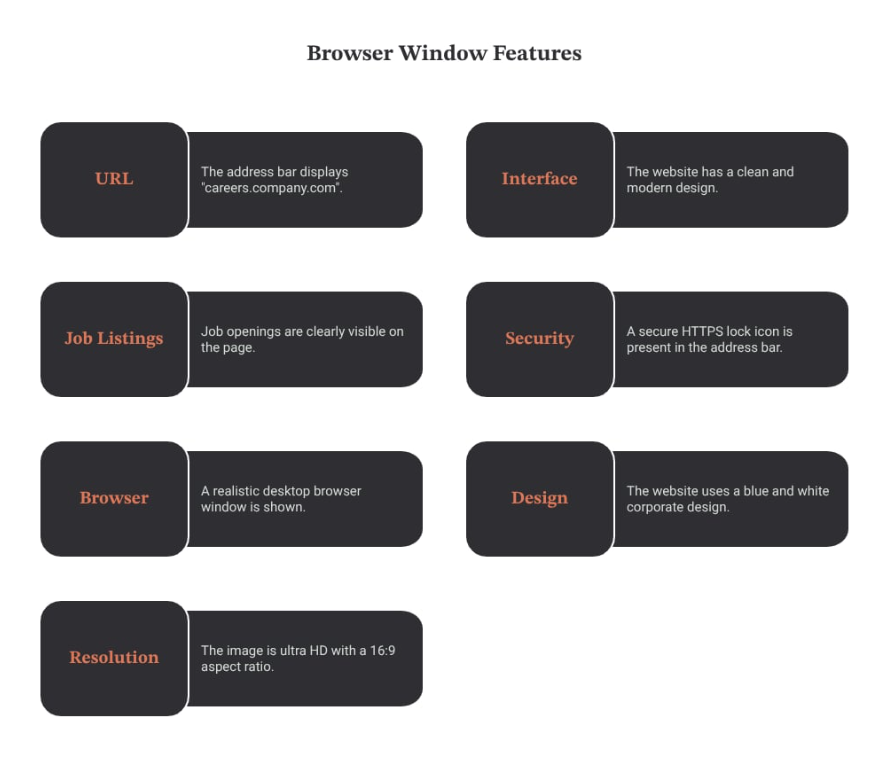
In simple terms, this error indicates that the career subdomain is missing, unavailable, or incorrectly configured, preventing users from accessing the company’s careers page. When someone types in a URL like jobs.company.com or careers.company.com, the browser expects a working page to load. If the company deletes the subdomain, configures it incorrectly, or never sets it up properly, the system displays this error instead of loading the career page and job listings.
This is not a random glitch.Technical or DNS-related issues usually trigger this error. In most cases, a missing DNS record, incorrect subdomain configuration, hosting problem, SSL certificate issue, or broken ATS integration causes the career subdomain to stop working.
What Is a Career Subdomain?
Companies use a career subdomain, such as careers.company.com or jobs.company.com, to separate job listings, recruitment content, and application pages from the main website.
For example, instead of using company.com/careers, a company might set up careers.company.com as its own independent address.
Career Subdomain vs. Career Directory (/careers)
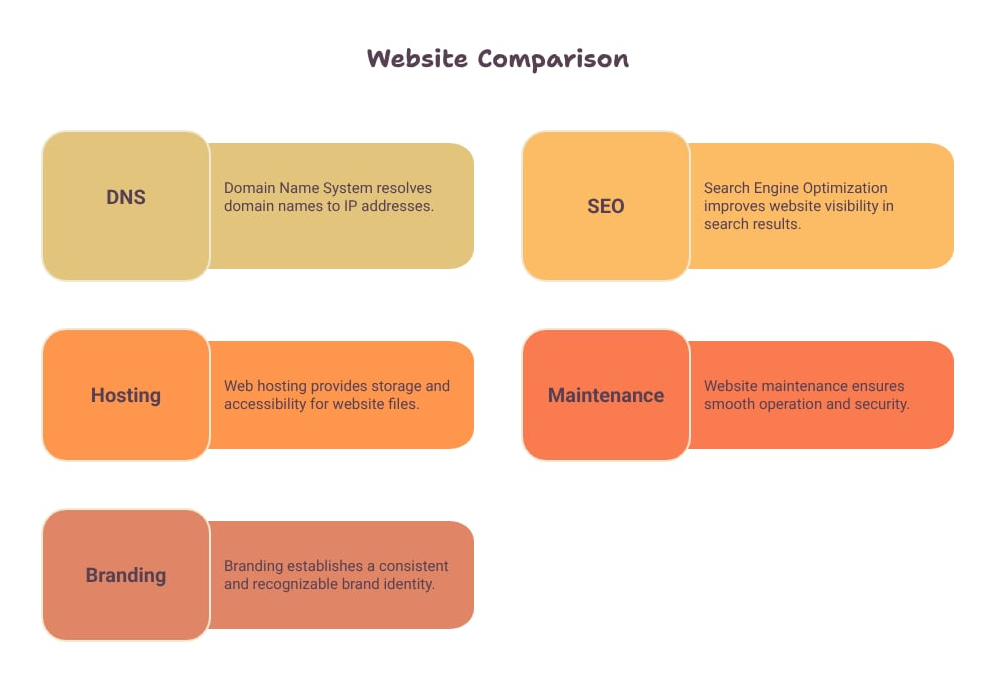
Companies generally choose between two structures for their job pages: a career subdomain or a career directory, also known as a subfolder. The table below breaks down how these two approaches differ.
How Career Subdomains Work
A career subdomain works through DNS, or Domain Name System, records. These records point the subdomain to a specific server or hosting platform, which is often an ATS, or Applicant Tracking System, such as Workday, Greenhouse, or SmartRecruiters.When you configure these DNS records correctly, they direct visitors to the correct career page or job listings without interruption.
Why Companies Use Career Subdomains
Companies often prefer subdomains because they allow for independent branding, smoother integration with hiring software, and a cleaner separation between the main corporate website and the careers section. HR teams can manage job listings without affecting the main website.
Common Career Subdomain Examples
Some of the most common examples you will come across include jobs.company.com, careers.company.com, and hiring.company.com. Most large companies rely on one of these three patterns.
Common Causes of the “Keine Karriere-Subdomain Gefunden” Error
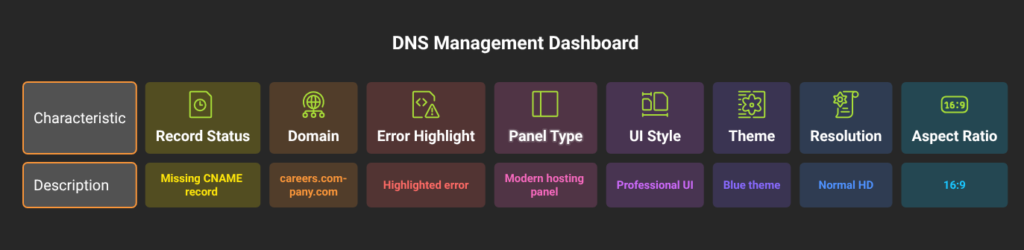
Technical issues trigger the “Keine Karriere-Subdomain Gefunden” error for several reasons. Missing DNS records and incorrect subdomain configuration rank among the most common causes. When DNS records point to the wrong destination or fail to resolve, visitors cannot access the careers page.
Website Migration, Hosting, and Security Issues
Website migration, hosting changes, and security misconfigurations can also break a career subdomain. Companies often rename or remove career URLs during migrations without updating redirects, DNS records, or hosting settings. Expired hosting plans, invalid SSL certificates, and CDN or reverse proxy configuration errors can also prevent users from accessing job listings and application pages.
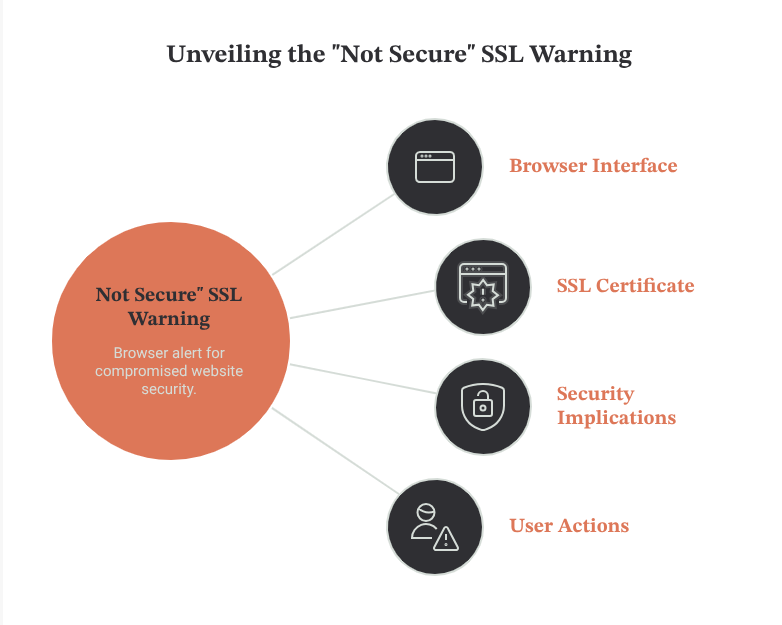
Beyond hosting and DNS issues, ATS integration failures are another common culprit. If the Applicant Tracking System disconnects from the subdomain, job pages can vanish even though the rest of the site is working fine. CMS or plugin issues can silently break the career page after updates. Redirect misconfiguration can send users into a loop or straight to a dead page, while temporary server downtime may simply be a short-lived outage on the hosting server that resolves itself. Finally, do not rule out browser or DNS cache issues, since old cached data on your own device can trigger this error even when the site is working perfectly fine for everyone else.
Who Is Affected by This Error?
This error does not just affect one group of people. Job seekers are the most obviously affected, since they cannot view or apply to open positions. Recruiters and HR teams feel the impact just as strongly, as they lose incoming applications and can appear unprofessional to candidates who run into the broken page.
Website administrators diagnose and fix the technical issues, while SEO professionals monitor search rankings, crawl errors, indexing issues, and organic traffic. The longer the error remains unresolved, the greater its impact on career page visibility, search performance, and employer branding.
How to Diagnose the Problem
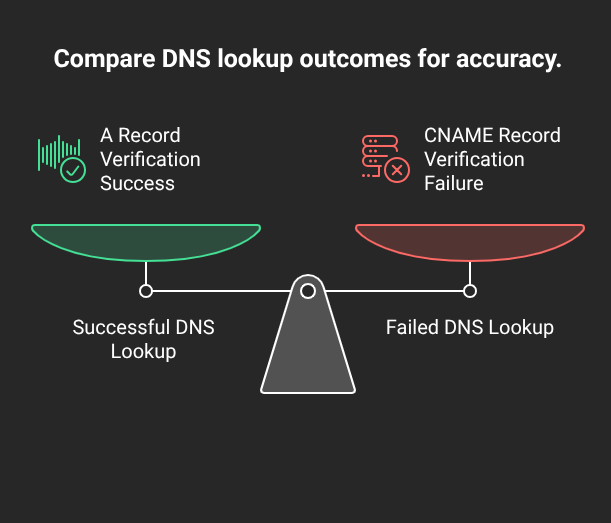
Diagnosing this error starts with the basics. First, check the career page URL carefully for typos or an outdated link, since something as simple as a wrong subdomain spelling can trigger the same message. It also helps to test the website in different browsers, which quickly rules out a local cache issue on your own device.
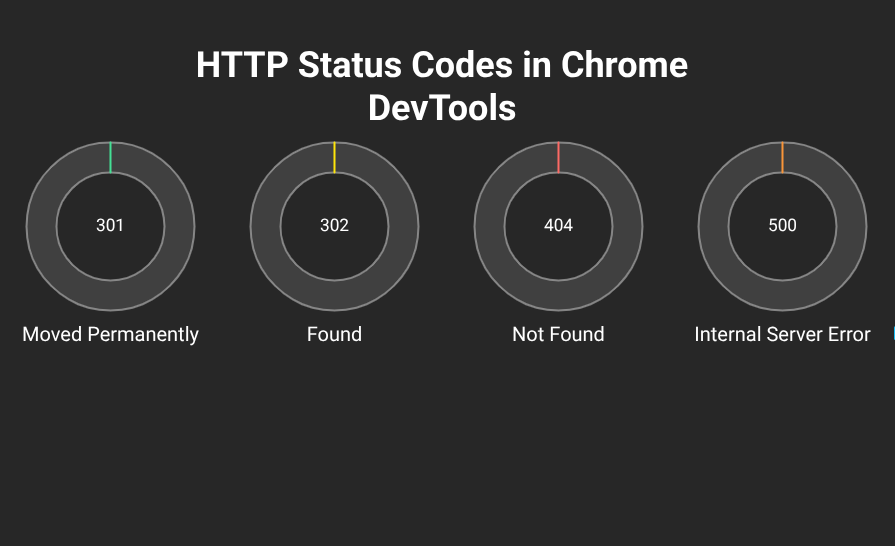
From there, move on to more technical checks. Verify the DNS records using a tool like nslookup or an online DNS checker to confirm the subdomain is actually pointing somewhere valid. Check the hosting and server configuration to rule out an expired plan, and test the SSL certificate to make sure it has not expired or gone missing. Inspecting the HTTP status codes, such as 404, 500, or 502, will often tell you exactly what kind of failure you are dealing with.
It is also worth taking time to verify the ATS integration is still properly connected, audit redirects and internal links across the main site to catch anything pointing to a dead address, and check the CDN and cache settings in case traffic is simply being misrouted somewhere along the way.
How to Fix “Keine Karriere-Subdomain Gefunden”
Fixing this error is usually a step-by-step process. Start by making sure to verify the career subdomain exists in your hosting dashboard, since in some cases it may have been removed entirely without anyone realizing it. If it is missing, the next step is to restore the missing DNS records with the correct CNAME or A entries, and to correct the subdomain configuration so that it properly matches the intended host.
From there, it helps to review the hosting settings and renew the plan if it has expired, and to reinstall or renew the SSL certificate to remove any security warnings that may be blocking visitors. If a CDN or proxy is involved, you will also need to fix the reverse proxy or CDN configuration so that traffic actually reaches the correct server.
Once the infrastructure is sorted out, verify the ATS connections to make sure job listings are syncing properly again, and configure proper 301 redirects for any subdomains that were renamed or retired. Finally, clear the browser, DNS, and CDN cache to remove any outdated data, and test the career page after changes across multiple devices and browsers to confirm everything is working as expected.
Does “Keine Karriere-Subdomain Gefunden” Affect SEO?
This error can significantly reduce technical SEO performance and career page visibility. Search engines struggle to crawl and index the career subdomain when it becomes unavailable, leading to crawl errors, indexing issues, broken search visibility, and a gradual loss of organic traffic for career-related keywords.
The damage does not stop there. Other pages that link to the careers section end up with broken internal links, and the company begins to see a loss of organic traffic as job seekers stop finding listings through Google. Beyond the numbers, there is also an employer branding impact, since candidates who encounter a broken careers page may see the company as unreliable. All of this together sends poor user experience signals to search engines, which tend to rank broken or unreliable sites lower over time.
Career Subdomain vs. Career Subfolder: Which Is Better for SEO?
The benefits of a career subdomain mainly come down to branding control and easier integration with a standalone hiring platform. On the other hand, the benefits of a career subfolder are tied closely to SEO, since a subfolder shares the main domain’s SEO authority, making it far easier to rank quickly without starting from zero.
So, which option should you choose? For most companies, a subfolder such as /careers is the simpler and more SEO-friendly choice. A subdomain only makes sense if the company genuinely needs strong independent branding or relies on a completely separate hiring platform that cannot be embedded into the main site.
Best Practices for Managing Career Subdomains
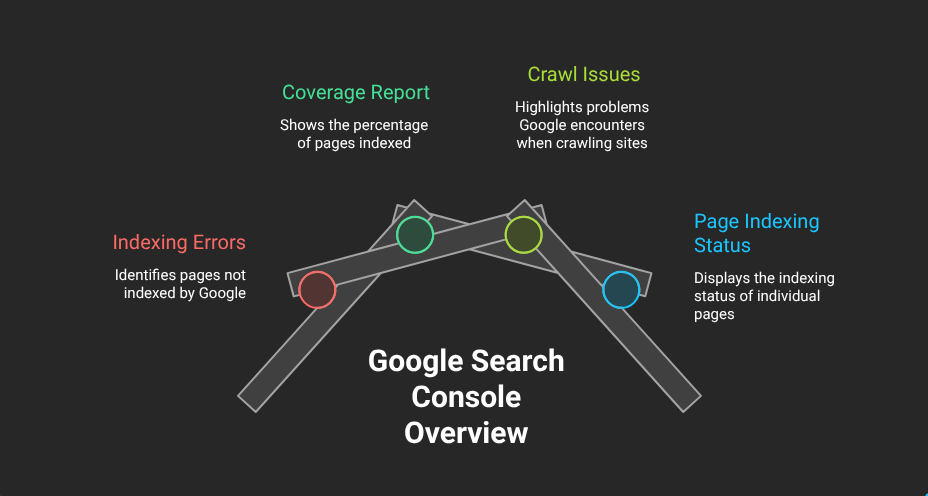
Managing a career subdomain well comes down to a handful of consistent habits. Maintain a clear URL structure, monitor DNS records, SSL certificates, and website performance, and run regular technical SEO audits to prevent career subdomain errors, crawl issues, and indexing problems.
It is equally important to test career pages regularly, set up automatic uptime monitoring, and always use proper redirects during migrations so nothing is left broken behind the scenes. On the technical side, keeping ATS integrations updated and maintaining accurate XML sitemaps goes a long way, as does keeping a close eye on Google Search Console and periodically reviewing external career links to make sure nothing points to a dead page.
How to Prevent This Error in the Future
Prevention mostly comes down to planning ahead. Creating a pre-migration checklist before any big changes, closely monitoring DNS changes, and keeping SSL certificates updated automatically can prevent the vast majority of these issues before they start.
Regularly audit external links that point to your career page, test every update before deployment, and keep secure website backups for quick recovery. Perform routine technical maintenance, monitor website performance, and resolve minor DNS, hosting, SSL, or redirect issues before they grow into major outages that disrupt your careers website.
Real-World Example of a Missing Career Subdomain
Imagine a mid-sized company migrates its website to a new hosting provider. The main site works fine, but the team forgets to update the CNAME record for careers.company.com. Within hours, job seekers see “Keine Karriere-Subdomain Gefunden,” applications stop, and HR notices a sharp drop in candidates. A quick DNS update restores the career subdomain, but the company cannot recover the job applications lost during the downtime. Even a minor configuration mistake can reduce candidate applications, damage employer branding, and impact recruitment performance.
Quick Troubleshooting Checklist
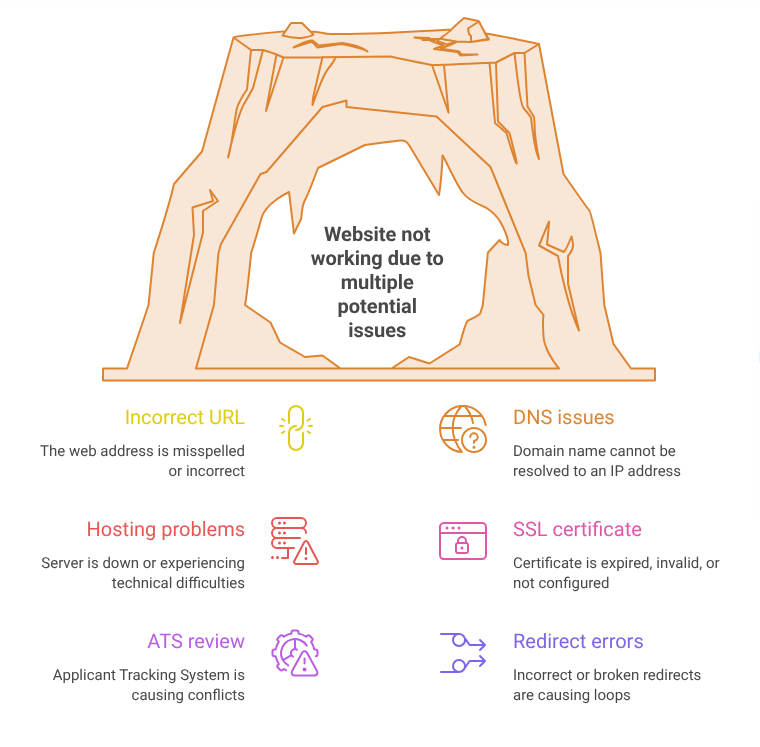
Before diving into deeper technical work, it helps to run through a fast checklist: confirm the subdomain URL is correct, check the DNS records, test the SSL certificate, review the hosting status, check the ATS connection, and clear the cache before retesting the page.
FAQs
What does “Keine Karriere-Subdomain Gefunden” mean?It means the browser cannot locate or access the career subdomain—the dedicated web address companies use to publish job listings, careers pages, and online application forms.
Is this the same as a 404 error? Not exactly. A 404 error means a specific page is missing, while this error usually means the entire subdomain is unreachable, often because of a DNS or hosting issue rather than a single missing page.
Can DNS problems cause this error? Yes, missing or incorrect DNS records are one of the most common causes behind this exact error, and they are often the first thing worth checking.
Does SSL affect career subdomains? Yes, an expired or invalid SSL certificate can block access completely and trigger this type of error, even if the rest of the configuration is correct.
Should companies use a subdomain or a /careers folder? For most businesses, a /careers subfolder is easier to maintain and better for SEO, while a subdomain tends to work best for larger brands that need a separate, independently branded hiring system.
Final Thoughts
The “Keine Karriere-Subdomain Gefunden” error is almost always a fixable technical issue, usually linked to DNS, SSL, hosting, or migration mistakes. By understanding the causes and following the fixes outlined above, companies can quickly restore their career pages, protect their SEO rankings, and make sure job seekers never miss an opportunity to apply.




One thought on “Keine Karriere-Subdomain Gefunden: Meaning & Fix”