









Homes today are becoming smarter, faster, and easier to manage. From lights that turn on by voice command to fridges that tell you when milk is low, smart home technology is changing how people live. This guide explains everything in simple words, so you can understand how it works, why it matters, and what the future looks like.
What Is Smart Home Technology?
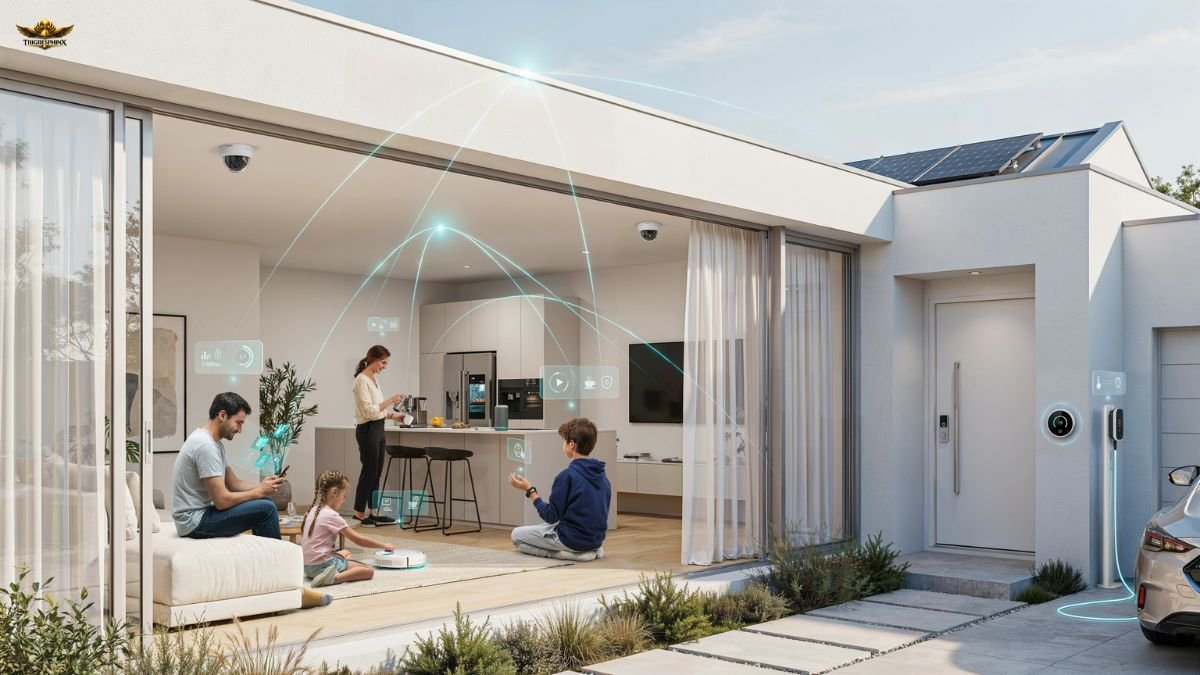
Smart home technology means devices connected to the internet that can be controlled remotely. This includes smart lights, thermostats, cameras, locks, and speakers. These devices talk to each other and to your phone, making daily tasks simpler and faster.
How Smart Home Technology Works
Every smart device connects to your home Wi-Fi or a hub. A mobile app or voice assistant sends commands to these devices. Sensors collect data, and small computer chips process that data to take action, like turning off a light when no one is in the room.
Key Benefits of Smart Home Technology
| Benefit | What It Means for You |
| Convenience | Control your home from anywhere |
| Safety | Get alerts for fire, break-ins, or leaks |
| Savings | Lower electricity and water bills |
| Comfort | Automatic temperature and lighting control |
| Time-saving | Fewer manual tasks daily |
Convenience Through Home Automation
Home automation lets you set routines. For example, your coffee maker can start brewing when your alarm rings. Curtains can open at sunrise. This automation removes small daily chores and gives you more free time.
Smart Home Security and Safety
Smart cameras, doorbells, and motion sensors keep your home protected. You get instant alerts on your phone if something unusual happens. Many systems also connect directly with emergency services for faster response.
Energy Efficiency and Cost Savings
Smart thermostats learn your habits and adjust temperature automatically. Smart plugs turn off devices that are not in use. Over time, this reduces wasted electricity and lowers your monthly bills.
Smart Home Devices and IoT Integration
IoT, or Internet of Things, is the technology that connects everyday devices to the internet. In a smart home, IoT allows your lights, locks, speakers, and appliances to communicate as one system instead of working separately.
Best Smart Home Devices to Consider
Smart speakers, video doorbells, robot vacuums, smart bulbs, and smart plugs are popular starting points. These devices are affordable, easy to install, and give quick results without needing major home changes.
DIY Smart Home Setup: Is It Worth It?
Yes, for most homes. Many smart devices are plug-and-play, meaning no wiring or professional help is needed. A basic setup can be done in under an hour using just a smartphone and a stable internet connection.
Common Challenges of Smart Home Technology
Some users face issues like Wi-Fi dependency, device compatibility problems, or higher upfront costs. Understanding these challenges early helps you plan a smoother and more reliable smart home experience.
Smart Home Privacy and Security Risks
Since smart devices collect personal data, privacy is a real concern. Weak passwords or outdated software can expose your home network. Using strong passwords and regular updates keeps your smart home safer.
Why Smart Home Technology Is Becoming a Daily Necessity
As more households adopt connected devices, smart homes are shifting from luxury to necessity. They offer real value in time, safety, and cost savings, making them practical for everyday families, not just tech lovers.
Future Trends in Smart Home Technology
Future homes will rely more on automation, voice control, and predictive systems. Devices will not just respond to commands but will anticipate needs before you even ask, creating a more personalized living experience.
AI and the Future of Smart Homes
Artificial intelligence is making smart homes smarter. AI studies your daily patterns and adjusts settings automatically, such as lighting, temperature, and security modes, without needing manual input every time.
Matter Standard and Smart Home Compatibility
Matter is a new industry standard that allows different smart home brands to work together smoothly. This means you are no longer locked into one brand, giving you more freedom and flexibility when choosing devices.
Is Smart Home Technology Worth It?
For most households, yes. The long-term savings, added safety, and daily convenience outweigh the initial setup cost. Starting small with one or two devices is a smart way to experience the benefits without a big investment.
FAQs
Is smart home technology expensive?
Not necessarily. Many devices start at low prices, and you can expand your setup gradually.
Do I need technical knowledge to set up a smart home?
No, most devices are designed for easy self-installation using simple mobile apps.
Are smart homes safe from hacking?
They can be secure if you use strong passwords, update software regularly, and avoid unknown apps.
Can smart devices work without internet?
Some basic functions work offline, but most smart features need an active internet connection.
Final Thoughts
Smart home technology is no longer just a trend; it is becoming part of everyday living. With better convenience, safety, and energy savings, it offers real value for modern households. As AI and standards like Matter continue to grow, smart homes will only become simpler and more powerful in the years ahead.