









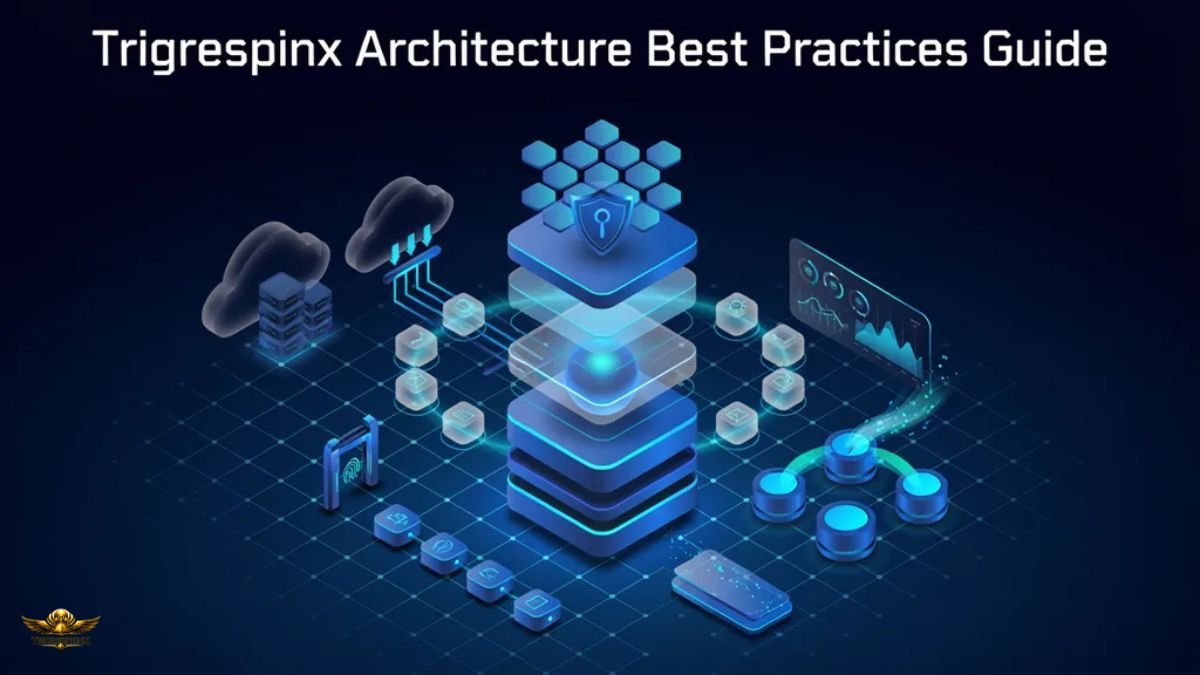
Every strong system starts with a strong plan. Trigrespinx architecture is a layered way of building systems that connect strategy, data, and daily operations, so that everything works together instead of working alone. This guide explains, in simple words, how to build a Trigrespinx system that is modular, safe, fast, and ready for growth. If you are new to Trigrespinx or you already use it and want to improve it, this article will help you understand every part step by step.
Why a Strong System Foundation Matters
A system without a strong foundation breaks easily when it grows. Think of it like a house: if the base is weak, the walls crack later. The same is true for Trigrespinx architecture, system design, and technical infrastructure. A strong foundation means clear structure, clean data flow, and simple rules that every part of the system follows. When the foundation is solid, teams make faster decisions, fix problems quickly, and add new features without breaking old ones. This is why architects always plan the base layer first, before writing a single line of code or connecting a single service.
Design Modular Components for Maximum Flexibility
Modular design means breaking a big system into small, independent parts, or modules. Each module in a Trigrespinx system does one job and does it well. This idea, sometimes called component-based architecture or modular engineering, lets teams update one part without touching the whole system. For example, the payment module can be updated independently without affecting the login system.Modularity simplifies testing by making smaller components easier to test and maintain.Loose coupling and high cohesion are two words often used here — they simply mean parts should work well on their own but still connect smoothly when needed.
Build a Scalable Infrastructure That Grows with Demand
Scalable infrastructure means the system can handle more users, more data, and more traffic without slowing down or crashing. IA scalable Trigrespinx architecture relies on cloud resources, load balancing, and horizontal scaling to distribute workloads efficiently, ensuring consistent performance as demand grows.A good rule is to plan for growth from day one, even if the system is small right now. This includes auto-scaling groups, distributed databases, and caching layers that reduce pressure on the main system. Elastic infrastructure and demand-based resource allocation help businesses save money during quiet times and stay strong during busy times.
Strengthen Every Layer with Modern Security Practices
Security should not be one layer; it should be part of every layer. This idea is called security by design. In a Trigrespinx system, this means encryption of data, strong access control, identity verification, and regular security audits at each stage, from the user interface down to the database. Zero-trust architecture, a model where no request is trusted automatically, is a common approach in modern systems. Regular vulnerability scanning and patch management also keep the system safe from new threats. Security is an ongoing process that requires continuous monitoring and regular updates to defend against evolving threats.
Optimize Data Flow for Faster Performance
Fast systems depend on smooth data flow. This means data should move between modules without delays, extra steps, or repeated processing. Techniques like caching, data pipelines, and asynchronous processing help reduce the time users wait for a response. In Trigrespinx architecture, data optimization also includes reducing unnecessary API calls and using efficient database queries. When data flows cleanly from one layer to another, the whole system feels faster and more reliable to the end user.
Create Reliable Integration Between Systems and Services
Most systems today do not work alone; they connect with other tools, apps, and services. This seamless connection is known as system integration, typically achieved through APIs.A reliable Trigrespinx system uses well-documented APIs, clear communication protocols, and proper error handling so that if one service fails, the whole system does not collapse. Middleware and event-driven architecture are common tools used here, allowing different systems to talk to each other smoothly and in real time.
Reduce Complexity Through Smart Architecture Decisions
Complex systems are harder to manage, fix, and grow. Reducing complexity does not mean removing features; it means organizing them better. Simple naming rules, clear documentation, and avoiding unnecessary layers all help reduce confusion. Many teams follow the KISS principle, which means “keep it simple,” to avoid over-engineering. Smart architecture decisions today save huge amounts of time and cost later, especially when new team members join the project.
Monitor Performance and Improve Continuously
A system is never really “finished.” Continuous monitoring means using tools that track performance, errors, and usage patterns in real time. This enables teams to detect and resolve issues before they become critical failures..Performance dashboards, logging, and automated alerts are essential tools for continuous monitoring.Continuous improvement uses monitoring and feedback to optimize the system over time instead of reacting only after problems occur.
Prepare Your Framework for Future Technologies
Technology keeps changing, so a good Trigrespinx system should be built to adapt. This means avoiding tools that lock you into one vendor, and instead choosing flexible, open standards. Future-ready architecture also considers new trends like automation, AI-assisted tools, and smarter data processing, so the system can adopt new technology without a full rebuild.
Essential Recommendations for Long-Term Success
| Focus Area | Best Practice |
| Foundation | Plan structure before building |
| Components | Keep modules independent |
| Infrastructure | Design for growth from the start |
| Security | Apply protection at every layer |
| Data | Reduce delays in data movement |
| Integration | Use clear, documented connections |
| Complexity | Keep design as simple as possible |
| Monitoring | Track and improve constantly |
Long-term success comes from small, steady improvements, not one big fix. Teams that review their architecture regularly, listen to user feedback, and stay open to change usually build the strongest and most reliable systems.
FAQs
What is Trigrespinx architecture in simple words?
It is a layered way of designing systems where strategy, data, and daily operations stay connected instead of working separately.
Why is modular design important?
It lets teams fix or update one part of the system without breaking the rest.
How do I make my system more secure?
Add protection at every layer, not just one, and check for risks regularly.
Can a small system use Trigrespinx architecture?
Yes, even small systems benefit from planning for future growth early.
How often should I review my architecture?
Regularly — ongoing monitoring and small updates work better than waiting for big problems.
If you need help planning or reviewing your own system architecture, feel free to reach out — a second look at your structure now can save a lot of time and cost later.