







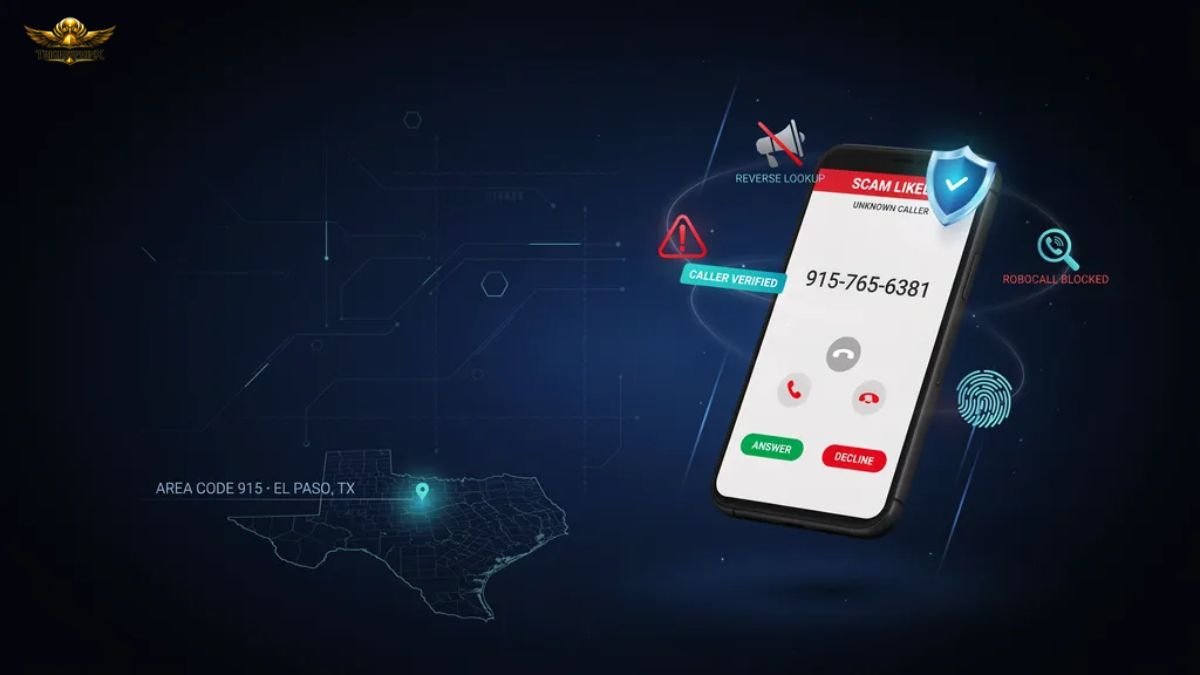
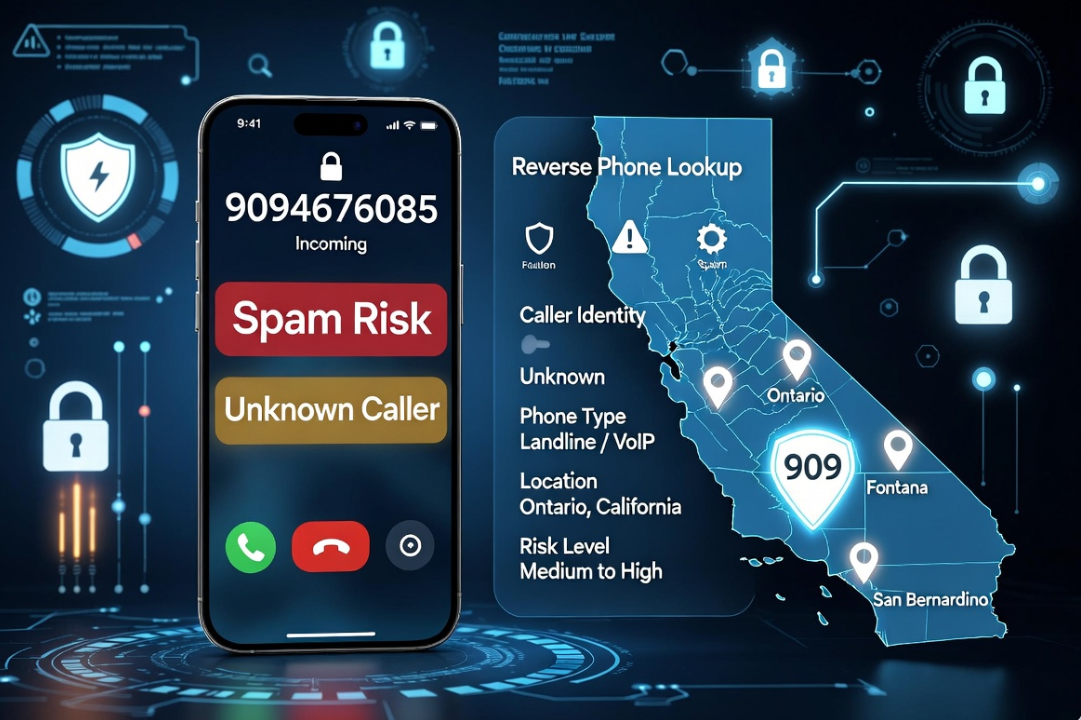
Receiving a call from an unfamiliar number like 9157656381 often sparks instant curiosity mixed with caution. In today’s hyper-connected world, where robocalls and sophisticated scams have reached record levels, people increasingly turn to search engines for answers. This number, tied to the 915 area code serving El Paso, Texas, draws attention for common reasons: missed calls, quick disconnects, repeated rings, or the uneasy sense that it could be either important or risky.
This guide explains everything you need to know about 9157656381, including its possible origin, caller verification, spam risks, and the safest way to handle unknown calls.By combining practical advice with broader insights on unknown caller identification, phone scam prevention, reverse lookup methods, and telecom trends, this guide equips you to handle such calls confidently while safeguarding your privacy.
Quick Bio
| Topic | Details |
| Phone Number | 9157656381 |
| Area Code | 915 |
| Primary Location | El Paso, Texas, USA |
| Number Type | Unknown (Mobile, Landline, Business, or VoIP not publicly verified) |
| Caller Status | Unverified |
| Scam Status | No confirmed evidence; exercise caution |
| Common Reports | Missed calls, repeated calls, silent calls, unknown caller |
| Potential Purpose | Customer service, business outreach, telemarketing, or automated calls |
| Main Risks | Spam, robocalls, caller ID spoofing, phishing attempts |
| Recommended Action | Let the call go to voicemail, verify the caller, avoid sharing personal information, and block/report if suspicious. |
Why This Number Has Attracted Attention
Phone number searches have become a daily habit for millions seeking reassurance amid rising unwanted communications. For 9157656381 specifically, users often look it up after spotting it in their call history, particularly when calls come at unusual times, disconnect after one ring, or persist without explanation. The 915 area code covers a dynamic region in western Texas centered on El Paso, blending legitimate local business and service activity with broader spam patterns seen across many US regions.
Search trends reveal strong interest in legitimacy questions—whether the number links to delivery services, local businesses, telemarketing, or something more suspicious. This reflects growing public concern over caller ID spoofing, where fraudsters fake local numbers to boost answer rates and build false trust. Semantic clusters around terms like “9157656381 who called,” “915 area code spam,” “one-ring scam Texas,” and “El Paso caller reports” highlight how people actively research mobile verification, suspicious patterns, and safety guides. Community forums and lookup sites show mixed experiences, with some tying similar numbers to routine services and others flagging automated or silent calls.
What Is 9157656381 and Where Does It Come From?
The number 9157656381 falls under the longstanding 915 area code, which primarily serves El Paso and surrounding communities in Texas. Established decades ago, this code supports mobile, landline, and VoIP connections, offering flexibility for legitimate users but also creating avenues for abuse through easier spoofing and forwarding.
It could belong to an individual, a business contact, a customer service line, or an automated dialing system. Exact identification is challenging due to number portability and strict privacy protections. While many 915 numbers connect to genuine regional operations such as logistics, utilities, or local outreach, the high volume of unknown calls in this category naturally raises questions. Geolocation generally points to the El Paso metro area near the New Mexico and Mexico borders, but spoofing means the real caller could be operating from anywhere. Activity levels vary—some users hear live voices or voicemails, while others experience quick disconnects—making recent user reports essential rather than assumptions of permanence.
Caller Identity and Verification Challenges
Confirming the owner of 9157656381 is rarely simple for everyday users. Privacy regulations like the TCPA in the US limit public access to subscriber details, and most numbers lack clear ties to searchable business directories. Telecom providers safeguard this information, releasing it only to authorized parties such as law enforcement.
Legitimate callers typically leave informative voicemails referencing specific interactions—like a recent purchase, appointment, or delivery—while suspicious ones rely on vague scripts, urgency, or immediate hang-ups meant to trigger callbacks. This environment makes behavioral analysis and independent verification far more reliable than static data. Trusted reverse lookup services aggregate community reports, but definitive proof usually requires contacting the claimed organization through official published channels.
Why Are People Receiving Calls from 9157656381?
Calls from numbers like this arise from diverse sources. On the legitimate side, they often stem from practical needs: package delivery updates, medical reminders, bank alerts, customer support follow-ups, or local El Paso-area business outreach. Companies commonly use outbound systems for surveys, recruitment, or service confirmations, and these can appear from unrecognized lines.
On the other hand, many fall into automated or marketing categories. Auto-dialers rapidly test batches of numbers, routing answered calls to agents or recordings. Scammers leverage these tools alongside data from brokers—who compile lists from public records, online forms, or breaches—to target active lines for fraud schemes ranging from fake tech support to financial scams. One-ring disconnects serve as an efficient method to verify live numbers for future campaigns, explaining why such patterns feel persistent.
Evaluating Safety: Legitimate vs. Suspicious Patterns
Distinguishing safe from risky calls depends on clear patterns rather than assumptions. Legitimate interactions usually feature professional tone, specific references to your account or recent activity, verifiable details, and follow-ups through email or official apps. A delivery service, for example, might provide tracking information and convenient callback options in a voicemail.
Warning signs appear when callers pressure for sensitive data such as bank details, OTP codes, passwords, or Social Security numbers. Tactics like artificial urgency (threats of account closure, legal action, or expiring prizes), poor grammar, generic scripts, or demands for gift cards and wire transfers are classic scam indicators. The safest evaluation method involves letting calls reach voicemail first, conducting quick searches, and verifying claims independently using official contacts. Apps like Truecaller or built-in smartphone filters offer helpful additional layers through community data and AI analysis.
How Modern Spam and Robocall Systems Function
Automated calling has grown into a highly efficient industry. Robocalls deliver pre-recorded messages via powerful dialers capable of reaching thousands of numbers per hour, often for marketing, politics, or fraudulent purposes. These systems draw from extensive databases sold by brokers, enabling broad targeting with minimal effort.
Caller ID spoofing enhances deception by displaying local or trustworthy-looking numbers regardless of the actual source. Simply answering can mark your line as active, feeding it into more campaigns. Understanding these operations encourages proactive habits—like screening and blocking—over reactive engagement.
Risks Associated with Unknown Calls and Smart Responses
Answering an unknown call generally carries low immediate technical risk, but it confirms your number’s validity to spammers and can expose you to voice phishing (vishing) attempts during conversation. Returning calls without research poses higher dangers, including potential premium-rate charges or escalation.
If you accidentally share information, act quickly: monitor accounts, update passwords, contact banks, and report incidents. For persistent or suspicious patterns, the best response is to ignore, block, and document details for authorities. Most modern smartphones provide easy blocking and filtering options enhanced by carrier tools and third-party apps powered by crowdsourced intelligence.
Practical Steps for Handling Calls from 9157656381
When 9157656381 appears, pause and let it go to voicemail. Legitimate callers often explain their purpose clearly there. Perform a targeted search for recent experiences, cross-checking multiple sources, and verify any claimed affiliations through official websites or published numbers rather than the incoming call.
Enable robust spam protection on your device, consider do-not-call registration, and use screening apps for automation. For ongoing issues, keep records of dates, times, and content to strengthen reports to the FTC, FCC, your carrier, or local consumer agencies. These steps minimize disruption while ensuring you don’t overlook genuinely important contacts.
Building Long-Term Protection Against Unwanted Calls
Effective spam reduction blends technology with mindful habits. Smartphones now feature advanced AI that learns from user feedback and large databases to detect and filter threats in real time. Protect your primary number by using secondary options for public forms and online registrations. Educate family members—particularly older adults—about common tactics to strengthen overall defenses. Regularly review privacy settings and stay updated through credible security resources. Over time, these measures dramatically lower unwanted calls without isolating you from necessary communication.
Future Updates and Final Verdict on 9157656381
Caller reputations can shift based on usage, so monitoring lookup sites and reliable tech blogs for the latest user reports provides ongoing value. Without specific widespread fraud flags, 9157656381 fits the profile of many 915 numbers—potentially tied to routine local or business activity in the El Paso region, yet aligned with common automated calling patterns.
The responsible approach centers on consistent caution: verify independently, avoid sharing sensitive information, and leverage available tools.In phone security, awareness and smart decisions are the best protection.. By treating unknown numbers methodically, you maintain control, protect your privacy, and respond effectively no matter where calls originate.
FAQs
Is 9157656381 a scam number?
There is no verified evidence confirming that 9157656381 is a scam number. Treat it as an unknown caller until you can verify its identity.
Should I answer calls from 9157656381?
If you are not expecting the call, let it go to voicemail first. Legitimate callers usually leave a message explaining the reason for their call.
Can answering a call from 9157656381 put my personal data at risk?
Simply answering a call does not expose your personal data. The risk arises only if you share sensitive information such as passwords, OTPs, or banking details.
How can I verify who owns 9157656381?
Use trusted caller identification or reverse phone lookup services, and verify any claimed organization through its official contact channels.
What should I do if 9157656381 keeps calling?
If the calls are repeated or appear suspicious, avoid engaging, block the number, and report it to your carrier or the appropriate consumer protection authority if necessary.


One thought on “9157656381: Is It Safe or a Scam? Complete Caller Guide”